NEW SCHOOL WISDOM GOLD MEMBERSHIP

The New School Wisdom Gold Membership unlocks exclusive digital playbooks, masterclasses, and strategic frameworks to elevate your mindset, relationships, wealth, and leadership.

INTRODUCTION Forged in Responsibility
Opening with a call to disciplined leadership, this introduction frames marriage as an active responsibility requiring emotional mastery, resilience, and structure. It rejects dominance and passivity alike, presenting a practical blueprint for husbands who seek steady authority, internal regulation, and lasting stability within modern relational pressures.

CHAPTER 1 The Modern Husband’s Reality
Beneath silent expectations, today’s husband carries emotional, financial, and relational weight. This chapter exposes cultural contradictions, digital distraction, and unspoken pressure. Awareness replaces denial, helping men understand how unmanaged strain leaks into tone and behavior, and why structured self-leadership is essential for stability.

CHAPTER 2 Emotional Awareness: The Foundation of Stability
Clarity precedes control in emotional mastery. Husbands learn to identify triggers, separate feelings from identity, and expand emotional vocabulary. By interrupting autopilot reactions, awareness creates space for intentional response, transforming impulsive tension into deliberate leadership within marriage.

CHAPTER 3 Separating Emotion From Identity
Instead of fusing stress with self-worth, this chapter teaches husbands to treat emotions as signals, not definitions. Anchoring identity in values rather than moods reduces shame, increases steadiness, and builds internal security that stabilizes communication and decision-making.
CHAPTER 4 Building Resilience Under Pressure
Through disciplined habits and long-term thinking, resilience becomes trainable. Sleep, movement, reflection, and structured routines reduce volatility. Challenges are reframed, not catastrophized, strengthening a husband’s capacity to endure stress without transferring instability into his home.
CHAPTER 5 Self-Leadership Before Family Leadership
Order within precedes authority without. This chapter emphasizes routines, physical health, time management, and personal discipline as foundations of influence. Modeling consistency carries more weight than commands, proving that leadership at home begins with self-governance.
CHAPTER 6 Communication Without Combat
Dialogue replaces defensiveness as husbands learn active listening, calm expression, and timely repair. The focus shifts from winning arguments to building understanding. Tone, clarity, and restraint become tools that lower emotional temperature and protect long-term unity.
CHAPTER 7 Conflict Management Without Control
Power struggles weaken connection when dominance overrides discernment. This chapter reframes leadership as firmness without hostility, encouraging composure, humility, and collaboration. Respectful disagreement preserves trust while avoiding coercion or emotional intimidation.
CHAPTER 8 Emotional Regulation During Marital Tension
Cooling strategies, recovery speed, and early signal recognition form the backbone of regulation. Husbands practice returning to center quickly, reducing prolonged volatility. Regulation becomes management, not suppression, ensuring tension does not erode safety.

CHAPTER 9 Financial Stress and Identity
Provision is redefined beyond paycheck alone. Addressing shame, anxiety, and comparison, this chapter teaches collaborative planning and calm transparency. Financial pressure becomes an opportunity for unity when managed with character and disciplined strategy.
CHAPTER 10 Balancing Work, Marriage, and Fatherhood
Competing roles demand intentional integration. Presence outweighs productivity, and structured transitions prevent workplace stress from invading home life. Husbands learn to protect family time while sustaining ambition responsibly.

CHAPTER 11 Intimacy Beyond the Physical
Emotional safety becomes the gateway to deeper connection. Vulnerability, maturity in rejection, and steady presence strengthen closeness. Intimacy grows through trust, not pressure, reinforcing that leadership includes gentleness and attentiveness.
CHAPTER 12 Parenting With Stability
Fatherhood multiplies responsibility and exposes anxiety. This chapter emphasizes steady tone, consistent boundaries, and modeled composure. Children absorb emotional climate, making regulation essential for generational stability.
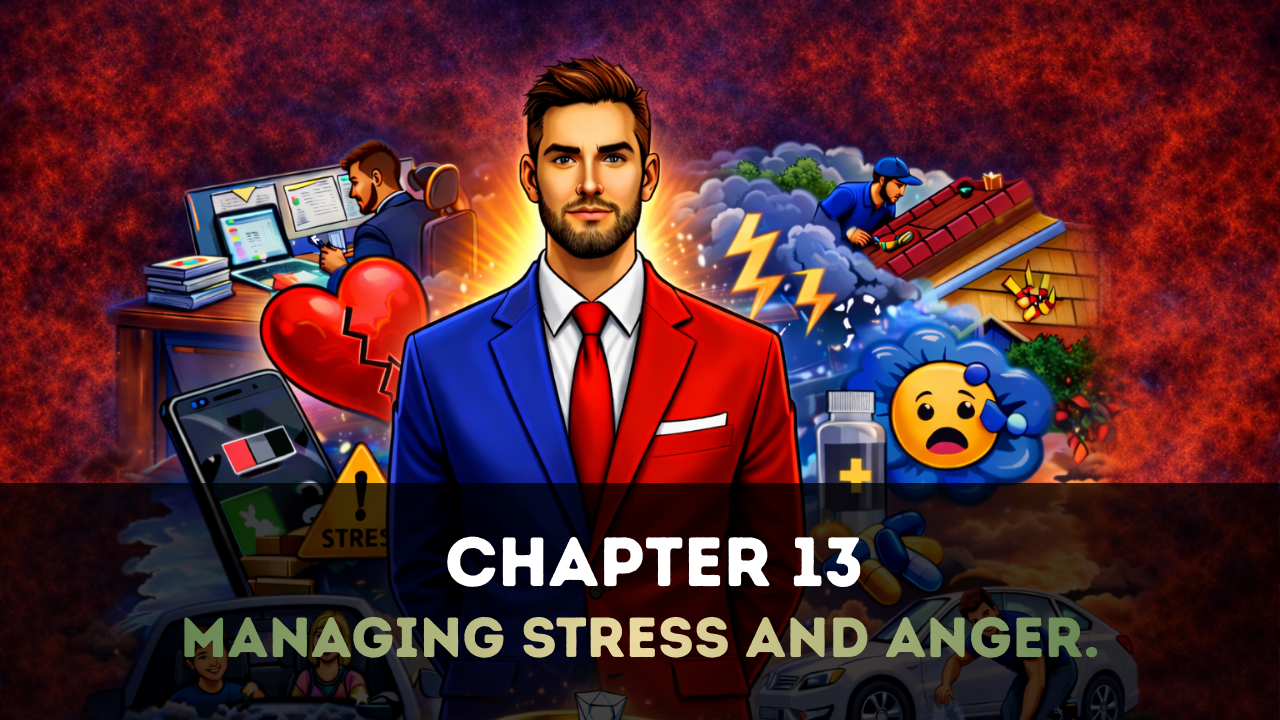
CHAPTER 13 Managing Stress and Anger
Masculine intensity is redirected from volatility to disciplined strength. Healthy outlets, reflective practices, and proactive stress reduction replace destructive coping. Anger becomes guided energy rather than unpredictable force.

CHAPTER 14 Breaking Reactive Cycles
Inherited patterns from childhood are examined and challenged. By identifying automatic responses, husbands interrupt generational repetition. Courageous awareness fosters new habits that build healthier marital dynamics.

Chapter 15 Marriage During Crisis
Storms reveal character. Whether facing illness, loss, or financial disruption, steadiness becomes the husband’s role. Regulating emotion while pursuing solutions anchors the family when certainty disappears.
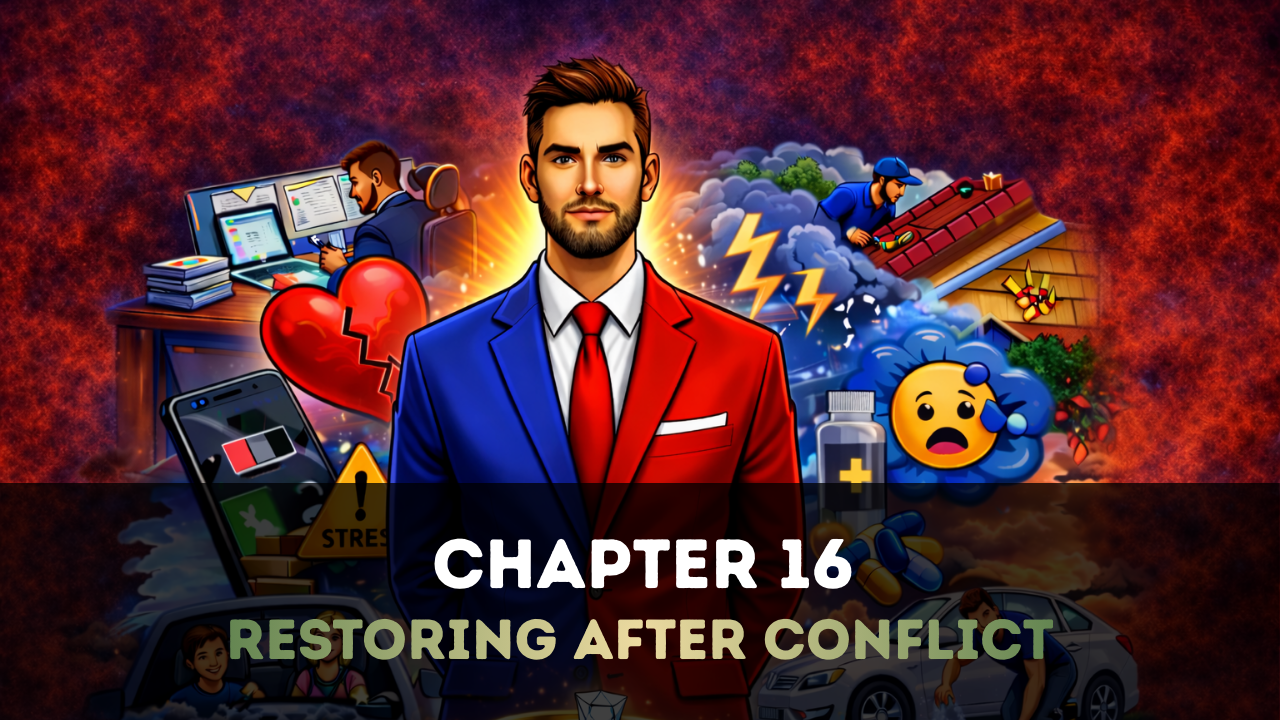
CHAPTER 16 Restoring After Conflict
Repair outweighs perfection in sustaining trust. Quick apologies, reflective ownership, and solution-focused dialogue prevent emotional distance. Reconciliation strengthens resilience and deepens maturity within partnership.

CHAPTER 17 Protecting the Emotional Climate
Children and spouses thrive when hostility is minimized. This chapter underscores respectful tone, shielding loved ones from escalation, and modeling accountability. Emotional environment becomes a deliberate leadership priority.

Chapter 18 Predictability Builds Peace
Routine lowers anxiety and fosters security. Morning clarity, evening decompression, and consistent check-ins cultivate reliability. Predictable discipline communicates safety, strengthening relational confidence over time.

CHAPTER 19 The Husband’s Internal Code
Values anchor behavior when emotion fluctuates. Integrity practiced privately sustains authority publicly. This chapter reinforces principle-based living as the stabilizing force behind consistent leadership.

Chapter 20 The Strive & Thrive Framework
All pillars—awareness, discipline, resilience, structure, and values—are unified into a sustainable blueprint. The objective shifts from temporary improvement to enduring stability rooted in character.

CHAPTER 21 The Next Level of Mastery
Preparation precedes partnership. This final chapter connects husbandly leadership to disciplined singlehood, emphasizing internal authority before marriage. Growth begins long before commitment, ensuring stability is built intentionally rather than reactively.